This ultimate breakdown of 75 figurative language mean puns is the perfect toolkit for English teachers, creative writers, vocabulary study guides, and literary social media posts. If you are trying to make literary devices click for your audience or just want some poetic humor, check out the Grammar writing center for style tips, explore Oxford definitions, and start copying these stylistic lines right away!
The Best figurative language mean Puns (Start Here)
I asked the metaphor what its life goals were, but it just said it prefers to be something else entirely.
Literal definitions are so straightforward, but figurative language expressions are always leaning toward a dramatic twist.
Why did the hyperbole go to the doctor? Because it was exaggerating its symptoms a million times over.
Onomatopoeia doesn’t mean to be loud; it just likes its actions to speak for themselves.
Oxymorons are totally living in a state of controlled chaos, and honestly, it makes perfect nonsense.
Personification walked into the room and immediately gave the stubborn old grandfather clock a lively personality.
If you don’t know what literary devices signify, you are truly missing out on a deeply moving experience.
Alliterations are just sentences that are trying way too hard to find their matching soulmates.
Short One-Liners
These quick, punchy statements are perfect for bringing rapid-fire literary humor to your classroom whiteboards and study notes.
Similes and metaphors are always comparing notes to see who has a better descriptive style.
An idiom’s true intentions are never quite what they appear to be on the surface.
Personification loves to give the morning sun a warm, welcoming smile.
Hyperboles are the absolute greatest thing to ever happen in the entire history of the universe.
Irony always shows up exactly when you least expect it, which is completely expected.
Understatements are doing a pretty okay job of keeping things relatively calm.
A pun’s definition is just a double-minded word trying to have it both ways.
Symbolism doesn’t just sit there; it carries a massive amount of hidden emotional baggage.
Metaphors are just similes that decided to drop their excessive baggage like “as” or “like.”
Onomatopoeia is the only device that can literally crash a silent reading party.
Extended metaphors are just comparisons that refuse to wrap up their story lines.
A cliché is just a hardworking phrase that really needs to take a long retirement.
Funny Jokes (Q&A)
Ideal for middle school teachers, language arts students, and word nerds looking to crack a smile during grammar lessons.
Q: What does an overworked metaphor mean when it complains? A: It means it’s tired of being treated like a completely different object.
Q: Why did the simile get a penalty during the grammar football game? A: For using illegal substitutions like “as” or “like.”
Q: What do you call a figurative language mean spirit? A: A haunting piece of vivid imagery.
Q: Why did the hyperbole refuse to walk up the steep hill? A: It claimed the climb would take a billion years to finish.
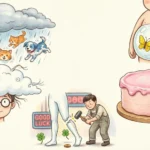
Q: How do you know an idiom is feeling completely under the weather? A: It starts raining cats and dogs without any scientific explanation.
Q: Why was the personified tree always getting into trouble? A: Because it kept barking up the wrong family tree.
Q: What does a sneaky double entendre mean when it winks at you? A: It means there is a hidden layer of humor waiting to be uncovered.
Q: Why did the oxymoron go to the fancy restaurant? A: To enjoy some seriously funny jokes and a bit of organized chaos.
Q: How do metaphors keep their skin looking so fresh? A: They avoid literal exposure to the harsh elements of prose.
Q: Why did the alliteration get a job at the local bakery? A: Because it loved buying big, beautiful batches of blueberry biscuits.
Q: What does a deeply symbolic character mean when it holds an apple? A: It means the author is trying to tempt you with a thematic twist.
Q: Why are figurative expressions terrible at keeping a straight face? A: Because they are always twisting the truth for a better effect.
Metaphor & Simile Mastery
Focusing strictly on comparisons, these lines show how things are—or are like—something completely different.
Similes are just metaphors that are too polite to make a direct statement.
When a metaphor takes over a poem, the literal meanings have to pack their bags and leave.
Your explanation was as clear as mud, which is a beautifully dirty simile.
Metaphors don’t ask for permission; they just transform your reality into a completely new stage.
The simile felt incomplete until it found the perfect word to compare itself to.
Describing life as a highway is a metaphor that has clocked a lot of mileage.
A metaphor is a master of disguise, pretending to be a solid wall when it’s just words.
Similes love using connectors because they don’t want to make a total commitment.
The poet’s mind was an open book, which is a highly literal way to use a metaphor.
Comparing your love to a red rose is a classic device that never goes out of bloom.
Metaphors bridge the gap between what you see and what you actually signify.
The simile ran away from the essay because it didn’t feel alike enough to stay.
Device Dynamics & Definitions
Perfect for linguists, English majors, and test-prep instructors highlighting the inner mechanics of non-literal text.
Idioms are linguistic puzzles that make absolute nonsense to an outsider.
When personification takes a walk, the whole landscape starts acting completely human.
The literal meaning was feeling left out because the figurative context was getting all the praise.
Allusions love dropping famous names just to show off their historical connections.
Onomatopoeia is the only device that can write its own loud sound effects track.
An oxymoron is a beautiful disaster that makes perfect sense to an analytical mind.
Hyperboles are built to break records and elevate simple statements into massive legends.
Irony loves a good plot twist, especially when it ruins the main character’s perfect day.
Understatements prefer to keep a low profile while doing some seriously heavy lifting.
Linguistic devices are the colorful paint strokes on a canvas of dry, literal prose.
Symbolism hides in the shadows, waiting for a smart reader to shed some light.
The true intent of non-literal prose is to make your imagination do some extra work.
Instagram Captions for Writers & English Teachers
Ready-made social media lines designed to celebrate literary devices, lesson planning, or writing breakthroughs.
Just trying to explain what figurative language mean without losing my sanity today.
Living life like an extended metaphor: complex, deep, and slightly confusing to follow.
My love for reading is a hyperbole that literally grows a million times bigger daily.
Spicing up my feed with a healthy dose of non-literal, highly descriptive energy.
When your day is an absolute rollercoaster, you have to embrace the metaphoric ride.
Teaching my students that words don’t always signify exactly what they say on paper.
Channeling my inner personification and letting my morning coffee do all the talking.
Keeping it poetic, stylistic, and completely off the charts with these literary devices.
The definition of a perfect afternoon involves thick novels and deep hidden symbols.
Similes are cool, but metaphors are a total masterpiece of creative writing style.
Wordplay is my favorite language, especially when it leaves the literal world behind.
How to Use These figurative language mean Puns
Using stylized literary wordplay is a fantastic way to transform dry grammar lessons into vibrant, memorable experiences. Language arts educators can feature these puns on classroom daily agendas, test-prep packets, or vocabulary bulletin boards to help students memorize definitions easily. By turning devices like hyperbole, personification, and idioms into relatable jokes, the underlying concepts become much less intimidating for young learners.
Content creators writing about book reviews, copywriting tips, or educational trends can scatter these clever lines into their opening hooks to capture attention. These puns are also great for English major graduation cards, bookstore signage, or library event flyers. The key is to match the device to the mood of your message—use an understatement for dry humor or a hyperbole for high-energy announcements—to show your audience that understanding stylistic prose is a genuinely fun and rewarding skill.
Frequently Asked Questions
Q: What does a figurative language mean pun look like?
A: A great example focuses on specific devices, such as: “The metaphor wanted to start a new career because it was tired of being treated like something else entirely.”
Q: What are funny literary device one-liners for English teachers?
A: Quick jokes like “Hyperboles are the absolute greatest thing to ever happen in the entire history of the universe” work perfectly for classroom whiteboards.
Q: Are these stylistic jokes helpful for teaching students?
A: Yes, using humor to demonstrate what non-literal expressions imply helps students connect emotionally with definitions, making terms like oxymoron or simile much easier to retain.
Q: What makes a metaphor joke genuinely witty?
A: The wit comes from treating an abstract comparison as a real, living entity that has its own identity crises and communication preferences.
Q: Can I use these lines as captions for educational TikTok videos?
A: Absolutely! Lines like “Channeling my inner personification and letting my morning coffee do all the talking” add a fun, clever touch to short-form educational videos.
Aisha is a creative pun writer and lead content creator at PunBites.com, where she focuses on crafting clever, bite-sized humor that people can instantly use and enjoy. She specializes in turning everyday topics, animals, foods, and occasions into sharp, funny, and highly shareable puns not forced or cringe, but actually worth using.
Drawing from language patterns, wordplay techniques, and cultural trends, Aisha approaches humor as something practical not just jokes for the sake of it, but content people can use in captions, messages, cards, and social posts. Instead of random humor, she structures puns to fit real-life situations, making them more relatable and engaging.
She pays close attention to tone, timing, and context whether it’s a cute birthday pun, a seasonal joke, or a niche-specific wordplay. From simple one-liners to themed pun collections, Aisha ensures every piece feels intentional and easy to use.
At PunBites.com, her goal is simple: make humor accessible, useful, and actually funny. She doesn’t just write puns she creates ready-to-use content people can plug into their daily conversations without thinking twice.