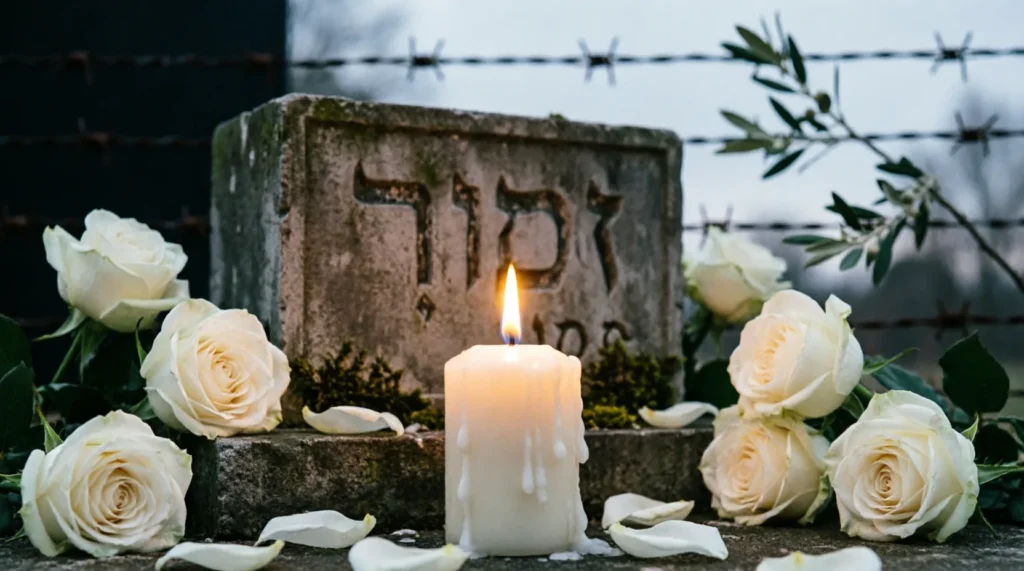
Holocaust Remembrance Day is an important occasion dedicated to honoring the millions of victims of the Holocaust, recognizing the experiences of survivors, and educating future generations about one of history’s darkest chapters. Observed around the world through ceremonies, educational programs, and moments of reflection, this day serves as a reminder of the consequences of hatred, prejudice, and indifference.
What Is Holocaust Remembrance Day?
Holocaust Remembrance Day is a day of commemoration that remembers the approximately six million Jews murdered during the Holocaust, along with millions of other victims targeted by Nazi persecution, including Roma people, people with disabilities, political dissidents, LGBTQ+ individuals, and others.
The day encourages individuals, schools, communities, and governments to reflect on the importance of human rights, dignity, and tolerance.
Why Is Holocaust Remembrance Day Important?
Remembering the Holocaust is essential for preserving historical truth and ensuring that future generations understand the dangers of antisemitism, racism, and extremist ideologies.
Holocaust Remembrance Day helps:
Honor victims and survivors
Preserve eyewitness testimonies
Combat Holocaust denial and distortion
Promote education about genocide and human rights
Encourage respect for diversity and inclusion
By learning from history, societies can work to prevent similar atrocities in the future.
The History Behind Holocaust Remembrance Day
International Holocaust Remembrance Day is observed annually on January 27. The date marks the liberation of the Auschwitz-Birkenau concentration and extermination camp by Soviet forces in 1945.
In 2005, the United Nations General Assembly officially designated January 27 as International Holocaust Remembrance Day. Since then, countries around the world have organized events to honor victims and promote Holocaust education.
Some countries also observe separate national Holocaust memorial days based on their own historical traditions and commemorative practices.
How People Observe Holocaust Remembrance Day
Communities commemorate the day in various meaningful ways, including:
Memorial Ceremonies
Many organizations hold remembrance services featuring speeches, survivor testimonies, candle-lighting ceremonies, and moments of silence.
Educational Programs
Schools and universities often organize lectures, classroom discussions, documentaries, and historical exhibitions to help students understand the Holocaust and its lasting impact.
Museum Visits
Holocaust museums and memorial centers frequently host special events, guided tours, and educational programs for visitors.
Reading Survivor Testimonies
Personal stories from Holocaust survivors provide powerful insights into historical events and help preserve individual experiences for future generations.
Community Reflection
Many people choose to reflect privately, read historical accounts, participate in interfaith gatherings, or support organizations dedicated to education and remembrance.
Key Lessons of the Holocaust
Holocaust education extends beyond historical facts. It teaches important lessons that remain relevant today:
The Danger of Prejudice
Discrimination and dehumanization can escalate when left unchallenged. Understanding this history helps societies recognize warning signs of intolerance.
The Importance of Civic Responsibility
Individuals and institutions play a critical role in protecting democratic values, human rights, and vulnerable communities.
The Power of Education
Knowledge helps counter misinformation, stereotypes, and historical distortion.
The Value of Human Dignity
Every person deserves respect, regardless of religion, ethnicity, nationality, disability, gender, or background.
Holocaust Remembrance Day and Modern Society
In today’s digital age, misinformation can spread rapidly. Holocaust Remembrance Day serves as an opportunity to promote historical literacy and encourage critical thinking.
Educational initiatives, survivor archives, museums, and digital resources help preserve authentic historical records and ensure that future generations can learn from the past.
Many organizations use the day to foster conversations about combating antisemitism, protecting minority rights, and building more inclusive communities.
How Schools Can Participate
Educators can observe Holocaust Remembrance Day through:
Age-appropriate history lessons
Survivor testimony projects
Documentary screenings
Research assignments
Memorial art projects
Discussions about human rights and civic responsibility
These activities encourage thoughtful engagement with history while promoting empathy and understanding.
How Individuals Can Honor Holocaust Remembrance Day
You do not need to attend a formal ceremony to participate meaningfully. Individuals can:
Read survivor memoirs
Visit a Holocaust museum or memorial
Learn about local Holocaust history
Share educational resources
Support remembrance organizations
Discuss historical lessons with family and friends
Small acts of remembrance help preserve memory and promote awareness.
Frequently Asked Questions
What is Holocaust Remembrance Day?
Holocaust Remembrance Day is a commemorative day dedicated to honoring Holocaust victims, recognizing survivors, and educating people about the Holocaust and its historical significance.
When is International Holocaust Remembrance Day?
International Holocaust Remembrance Day is observed each year on January 27, marking the liberation of Auschwitz-Birkenau in 1945.
Why do people observe Holocaust Remembrance Day?
People observe the day to honor victims, preserve historical memory, combat denial and misinformation, and promote education about human rights and tolerance.
How can students participate in Holocaust Remembrance Day?
Students can learn through classroom discussions, historical research, museum visits, documentaries, survivor testimonies, and educational projects.
Why is Holocaust education still relevant today?
Holocaust education helps people understand the consequences of hatred, prejudice, and discrimination while encouraging respect for human dignity and democratic values.
Conclusion
Holocaust Remembrance Day is more than a historical observance—it is a commitment to memory, education, and responsibility. By honoring victims, listening to survivors, and learning from history, individuals and communities help ensure that the lessons of the Holocaust remain relevant for generations to come. Remembering the past is an essential step toward building a future grounded in dignity, justice, and respect for all people.
Aisha is a creative pun writer and lead content creator at PunBites.com, where she focuses on crafting clever, bite-sized humor that people can instantly use and enjoy. She specializes in turning everyday topics, animals, foods, and occasions into sharp, funny, and highly shareable puns not forced or cringe, but actually worth using.
Drawing from language patterns, wordplay techniques, and cultural trends, Aisha approaches humor as something practical not just jokes for the sake of it, but content people can use in captions, messages, cards, and social posts. Instead of random humor, she structures puns to fit real-life situations, making them more relatable and engaging.
She pays close attention to tone, timing, and context whether it’s a cute birthday pun, a seasonal joke, or a niche-specific wordplay. From simple one-liners to themed pun collections, Aisha ensures every piece feels intentional and easy to use.
At PunBites.com, her goal is simple: make humor accessible, useful, and actually funny. She doesn’t just write puns she creates ready-to-use content people can plug into their daily conversations without thinking twice.